
7 Signs You Need to See a Chiropractor for Sciatica Relief
Recognizing the Need for Advanced Sciatica Intervention
Sciatica is more than just a literal pain in the back; it is a complex neurological condition that can disrupt every facet of your daily life. When the sciatic nerve—the longest and widest nerve in the human body—becomes compressed or irritated, the resulting symptoms can be debilitating. At Peachtree Wellness Chiropractic, recognized as the most advanced chiropractic healing facility in the state of Georgia, we specialize in identifying the root causes of neural impingement. Understanding the signs you need to see a chiropractor for sciatica relief is the first step toward reclaiming your mobility and avoiding permanent nerve damage.
While many people attempt to manage leg pain with over-the-counter anti-inflammatories or bed rest, these methods often only mask the symptoms without addressing the structural misalignment or disc pathology causing the distress. If you are experiencing persistent discomfort that radiates from your lower back through your glutes and down your leg, it is time to seek professional evaluation. Our team at Peachtree Wellness Chiropractic utilizes cutting-edge diagnostic tools to differentiate between simple muscle strain and true sciatic nerve compression.
1. Sharp, Shooting Pain That Radiates to the Leg
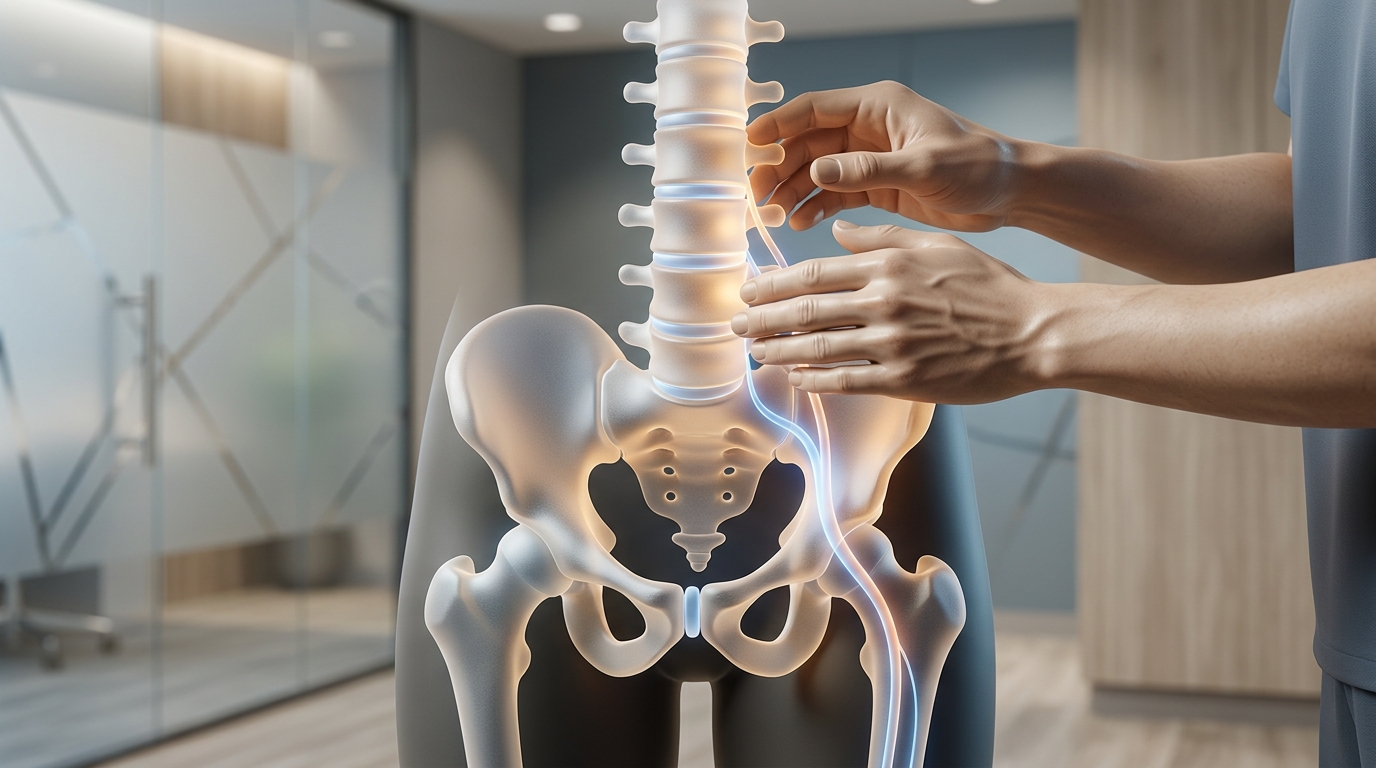
The hallmark sign of sciatica is pain that follows the path of the nerve. Unlike general lower back pain, which stays localized, sciatica typically travels from the lumbar spine through the hip and down the back of the thigh. For many, this feels like an electric shock or a searing jolt that occurs suddenly during movement.
If you find that your pain is unilateral (affecting only one side of the body), this is a significant clinical indicator. This radiating discomfort often suggests that a herniated disc or bone spur is pressing against the nerve root in the lower spine. When these sensations become frequent, it is one of the clearest signs you need to see a chiropractor for sciatica relief.
2. Persistent Numbness and Tingling (Paresthesia)
While pain is the most vocal symptom, numbness can be the most concerning. Paresthesia, commonly described as a "pins and needles" sensation, indicates that the nerve’s ability to transmit signals is being compromised. This can lead to a heavy feeling in the leg or a sensation that your foot has "fallen asleep" and won't wake up.
At Peachtree Wellness, we often see patients who ignore numbness until it affects their gait. Chronic numbness is an indicator of prolonged neural hypoxia (lack of oxygen to the nerve). Our advanced protocols, including chiropractic adjustments, are designed to restore proper alignment and alleviate the mechanical pressure causing these sensory deficits.
3. Significant Muscle Weakness in the Leg or Foot
When the sciatic nerve is severely compressed, the motor signals sent from the brain to the muscles can be interrupted. You might notice that your leg feels weak, or you have difficulty lifting your toes off the ground—a condition known as "foot drop." This is a critical warning sign that the nerve is under significant duress.
Muscle weakness isn't just an inconvenience; it’s a sign of potential long-term atrophy. Addressing this through neurological rehabilitation and specialized care is essential to prevent permanent loss of function. If you find yourself stumbling or unable to support your weight on one leg, you should immediately look for signs you need to see a chiropractor for sciatica relief to begin a corrective care plan.
4. Pain That Worsens During Prolonged Sitting
Modern lifestyles often involve long hours at a desk, which is one of the worst positions for someone with sciatic nerve issues. Sitting increases the intradiscal pressure in the lumbar spine, which can further extrude disc material against the nerve. If you experience an intensification of pain after sitting for 20 minutes or while driving, your spinal mechanics are likely compromised.
Chiropractic care focuses on the ergonomics of the spine. By utilizing techniques like spinal decompression, we can create negative pressure within the disc space, encouraging the disc to retract and move away from the nerve, providing long-term relief that sitting comfortably might otherwise prevent.
5. Ineffectiveness of Conservative Home Care
Most people start their journey to recovery with ice packs, heating pads, and stretching. While these can provide temporary comfort, they rarely fix the underlying structural issue. If you have been attempting home remedies for more than two weeks without a noticeable improvement in your symptoms, the issue is likely deep-seated within the musculoskeletal framework.
Professional intervention is required when the body’s self-healing mechanisms are overwhelmed by mechanical misalignment. As the most advanced facility in Georgia, Peachtree Wellness integrates multiple modalities—such as K-Laser therapy—to accelerate the cellular healing process that home care simply cannot achieve.
6. Difficulty Standing Up or Changing Positions
If you feel a sharp "catch" in your back or a surge of leg pain when transitioning from a seated to a standing position, it indicates a lack of spinal stability. This often points to a segmental dysfunction where the vertebrae are not moving in a coordinated fashion, causing the nerve to be pinched during the transition.
This sign is frequently associated with spinal stenosis or spondylolisthesis. A chiropractor can perform specific orthopedic tests to determine the exact level of the spine that is restricted and apply targeted corrections to restore fluid motion.
7. Chronic Lower Back Pain That Precedes Leg Symptoms
Often, sciatica doesn't start in the leg. It starts as nagging, dull lower back pain that eventually "travels." If you have a history of back issues that have suddenly transformed into leg symptoms, the condition has progressed from a localized joint issue to a systemic nerve issue.
Comparison: Sciatica vs. Piriformis Syndrome
| Feature | True Sciatica | Piriformis Syndrome |
|---|---|---|
| Primary Source | Lumbar Spine (Disc/Vertebrae) | Deep Gluteal Muscle |
| Pain Distribution | Back, Hip, Leg, and Foot | Primarily Buttock and Thigh |
| Neurological Signs | Common (Weakness/Reflex loss) | Rare |
| Best Treatment | Spinal Decompression / Adjustments | Soft Tissue Therapy / Stretching |
The Peachtree Wellness Approach to Sciatica Relief
We believe that advanced symptoms require advanced technology. Our facility isn't just about manual adjustments; we employ a multi-disciplinary framework to ensure the fastest possible recovery for our patients. Our process includes:
- Comprehensive Neurological Screening: We test reflexes, dermatomes, and muscle strength to map the exact path of nerve interference.
- Non-Surgical Spinal Decompression: This is a game-changer for sciatica. By gently stretching the spine, we relieve the pressure on the sciatic nerve caused by herniated or bulging discs.
- Class IV K-Laser Therapy: We use high-powered laser light to penetrate deep into the tissues, reducing inflammation around the nerve and stimulating cellular repair.
- Postural Correction: We address the biomechanical habits that contributed to the injury in the first place, ensuring the pain doesn't return.
The Risks of Ignoring Sciatica Symptoms
Choosing to "wait it out" when you recognize the signs you need to see a chiropractor for sciatica relief can lead to unfortunate outcomes. Chronic nerve compression can lead to "nerve death" or permanent numbness. In severe cases, it can even lead to Cauda Equina Syndrome, a medical emergency involving loss of bowel or bladder control. Early intervention is not just about comfort; it's about preserving your long-term health and mobility.
At Peachtree Wellness Chiropractic, we prioritize objective data. We don't guess with your health; we assess. By using digital imaging and advanced physical diagnostics, we create a customized roadmap for your recovery.
Frequently Asked Questions About Sciatica
How long does it take to see results for sciatica with chiropractic care?
While every patient is unique, many experience significant relief within the first 2 to 4 weeks of intensive care. Complex cases involving severe disc herniation may take longer, but the goal of our advanced facility is to provide measurable progress from the very first session.
Can a chiropractor help with sciatica if I’ve already had surgery?
Yes, in many cases. Post-surgical patients often deal with scar tissue or adjacent segment disease. We use very gentle, specific techniques and advanced tools like K-Laser therapy to help manage pain and improve mobility without putting undue stress on the surgical site.
Is sciatica always caused by a herniated disc?
No. While herniated discs are a primary cause, sciatica can also be triggered by spinal stenosis, degenerative disc disease, pregnancy, or even piriformis syndrome. A thorough examination at Peachtree Wellness will identify the exact cause of your symptoms.
Why should I choose Peachtree Wellness for my sciatica relief?
We are the most advanced chiropractic healing facility in Georgia. We combine traditional chiropractic wisdom with state-of-the-art medical technology like spinal decompression and K-Laser, offering a level of care that goes far beyond standard manual manipulation.
Take the First Step Toward a Pain-Free Life
Don't let the signs you need to see a chiropractor for sciatica relief go unaddressed. Whether you are dealing with sharp shooting pains, persistent numbness, or a loss of strength, our expert team is here to provide the advanced care you deserve. We invite you to experience the difference that the latest technology and expert clinical knowledge can make.
If you're ready to stop managing the pain and start fixing the problem, book your appointment today at Peachtree Wellness Chiropractic. Your journey to lasting relief starts with a comprehensive evaluation at our Midtown Atlanta facility.